
ペリクレス(Perikles)
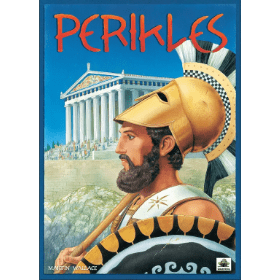 ペリクレス(Perikles) は マーティン・ウォレス のゲームです。 プレイヤーは、古代ギリシャの 6 つの都市国家のうち 1 つまたは複数の指導者になることを目指す貴族の役割を引き受けます。 ゲームは 2 つのフェーズで進行します:
最初のゲームでは、プレイヤーは 6 つの州のそれぞれでエリア支配を争い、選挙で終わります。 各州の選挙に勝利したプレイヤーは、その州の軍隊を制御できるようになります。
第 2 フェーズでは、プレイヤーはカードを使用して軍隊を動かし、そのラウンドで争われる 7 つの戦闘 (それぞれが州に関連付けられており、自分の戦闘を攻撃することはできません!) の 1 つを攻撃または防御します。
ゲームプレイの仕組みは単純明快で、他のユーロ系ウォーゲーム(特にマーティン・ウォレスの『ストラグル・オブ・エンパイア』)の要素を取り入れている。ペリクレスがユニークなのは、地域支配・投票フェイズと軍事フェイズがスムーズに統合されていることだ。
プレイヤーの数: 3 - 5
ゲームの長さ: 17 mn
複雑さ: 4 / 5
ペリクレス(Perikles) および1394の他のゲームをオンラインでプレイします。
ダウンロード不要で、ブラウザから直接プレイできます。
あなたの友達や世界中のたくさんのプレイヤーとプレイできます。
無料です!

ペリクレス(Perikles) および1394の他のゲームをオンラインでプレイします。
ダウンロード不要で、ブラウザから直接プレイできます。
あなたの友達や世界中のたくさんのプレイヤーとプレイできます。
無料です!
ルールの概要
概要
『ペリクレス』では、プレイヤーは影響力のあるギリシャの一族を率います。
3つの時代を通じて、6つの都市国家の政治的支配権を獲得し、各都市の軍隊をさまざまな戦いで勝利へと導きます。
ゲームの目的
最も多くの勝利点(得点)を獲得して勝利します。
各時代の終了時には勝利した戦いに対して像トークンによる得点が与えられ、ゲーム終了時には都市国家を支配していることで得点します。
ゲームの流れ
ゲームは3つの時代にわたって行われます。各時代は、政治フェイズと戦争フェイズという2つの主要フェイズで構成されます。
1. 政治フェイズ(影響力と支配)
このフェイズでは、プレイヤーは影響力キューブを配置して都市の指導権を握ります。
影響力タイルの選択:プレイヤーは順番に、自分がキューブを配置できる都市を示すタイルを選びます。
キューブの配置:6つの都市(アテネ、スパルタなど)にキューブを配置します。
選挙:各都市で、最も多くのキューブを置いているプレイヤーを確認します。
最も多くのキューブを置いているプレイヤーが、そのラウンドの都市の指導者になります。
そのプレイヤーは、その都市の軍隊タイル2枚(陸軍と海軍)を受け取ります。
必要に応じて、特定の同点決着ルールを適用します。
オストラカ(追放):プレイヤーは都市から敵対するキューブを取り除き、過半数を確保しようとすることができます。
2. 戦争フェイズ(戦闘と戦略)
各都市の指導者は軍隊を展開し、ペルシアやボード上の他のギリシャ地域へ攻撃を仕掛けます。
軍隊の展開:プレイヤーは使用可能な場所に軍隊タイルを裏向きで配置します。戦闘は陸上戦闘と海上戦闘に分類されます。
戦闘の解決:タイルを公開します。戦闘力(タイルに記された強さの値+ダイスの出目)を比較して、戦闘を解決します。
攻撃側と防御側:攻撃側は、その場所の防御力またはそこにいる敵軍を上回らなければなりません。
損害:敗北した部隊はボードから取り除かれます。
報酬:戦闘の勝者は像トークンを受け取り、時代の終了時に得点を得ます。
行動と判断要素
影響力タイルの種類
タイルはさまざまな戦術的選択肢を提供します。
都市シンボル:対応する都市にキューブを1個または2個配置できます。
イベントタイル:
疫病:選んだ都市にある全プレイヤーのキューブ数を減らします。
裏切り:戦闘中の軍隊を弱体化させたり、操作したりできます。
ペルシア艦隊:海上戦闘で使用し、結果に影響を与えられます。
軍事ユニット
重装歩兵(陸軍):各地域での陸上戦闘に使用します。
三段櫂船(海軍):海上戦闘で使用し、海域の支配権を確保します。
スパルタの特殊ルール:スパルタの陸軍ユニットは戦闘では非常に強力ですが、政治面での柔軟性に欠けます。
ゲーム終了と得点計算
最終得点計算は、3つ目の時代の終了後に行います。
像の得点:3つの時代で獲得した得点を合計します。
都市支配:3つ目の時代の終了時に都市の指導権を持つプレイヤーは、その都市の価値に応じたボーナス得点を得ます。
残った影響力:余った資源から少量の得点を得ます。
勝利点の合計が最も多いプレイヤーが勝者です。